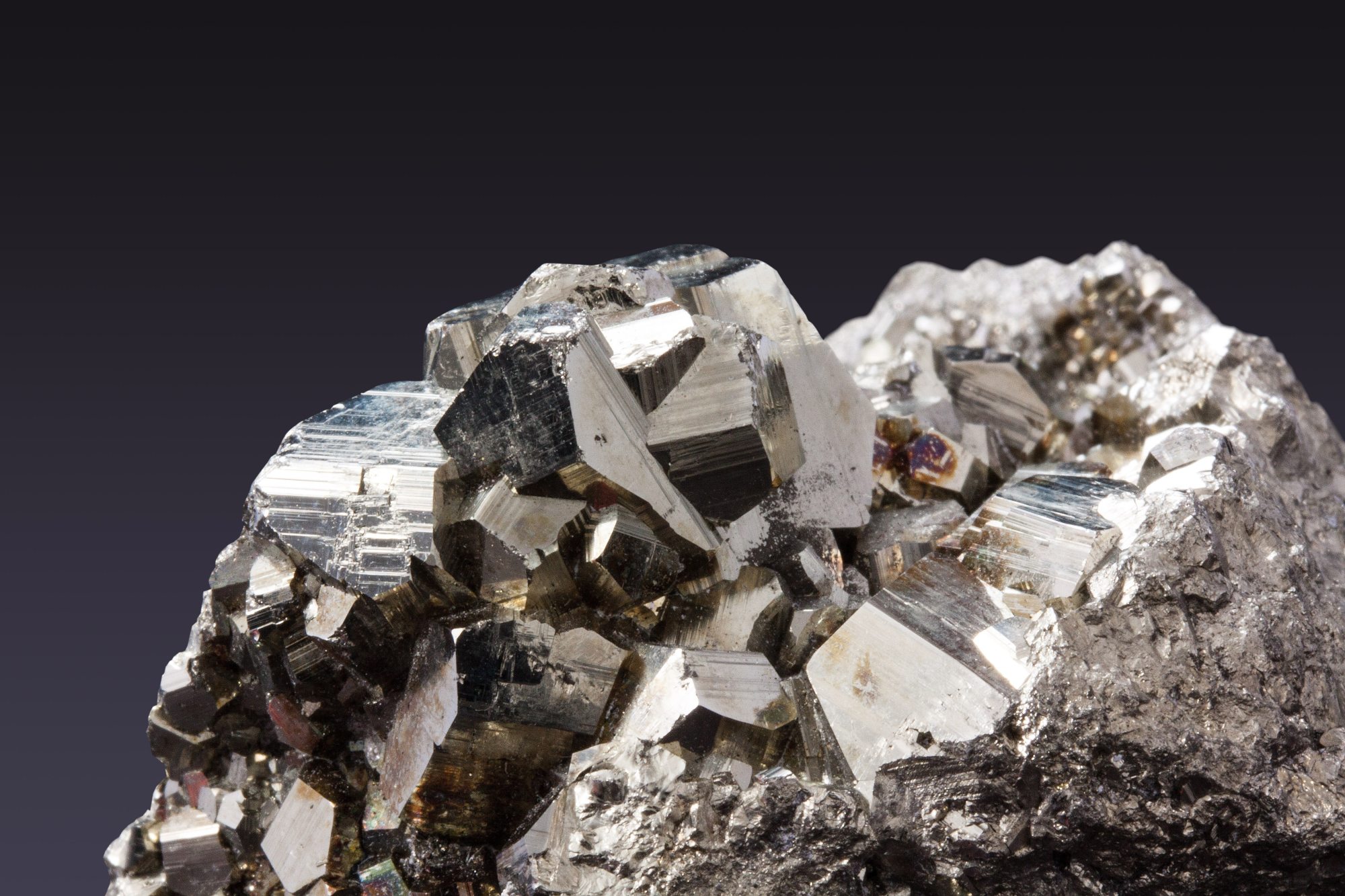
Iron is one of the most common elements on earth and is essential for most life forms including humans. Among other things, it is part of hemoglobin in red blood cells, which is why it plays a major role in oxygen transport in the body. In addition, iron is part of a number of enzymes such as catalase and cytochrome. These enzymes have a function in the regulation of metabolism. Cells need iron for the production of DNA and in this way, iron supports normal growth and development. Iron is also indispensable for the production of neurotransmitters such as dopamine and serotonin.
An iron deficiency occurs regularly, especially in high-risk groups such as pregnant women, children in growth, menstruating women, vegetarians, and athletes.
Sources
Iron is mainly found in red meat, fish, and poultry. Another, less easily absorbed form of iron is found in, among other things, beans, dried fruit, grain products, and leafy vegetables.
Quality aspects
In iron supplementation, iron bisglycinate is a highly absorbable, organic form of iron in which each iron particle is bound (chelated) to two molecules of the amino acid glycine. This compound is mild to the stomach and does not give rise to constipation, which is a known problem with iron supplementation.
Signs of a possible shortage
Fatigue, iron deficiency anemia (the main symptoms are fatigue, weakness, cold limbs, paleness and reduced exercise tolerance, furthermore headaches, palpitations (tachycardia), dizziness, reduced resistance and chest pain may indicate anemia due to iron deficiency). Iron deficiency may be a risk factor for osteoporosis.
 aimesforhealth