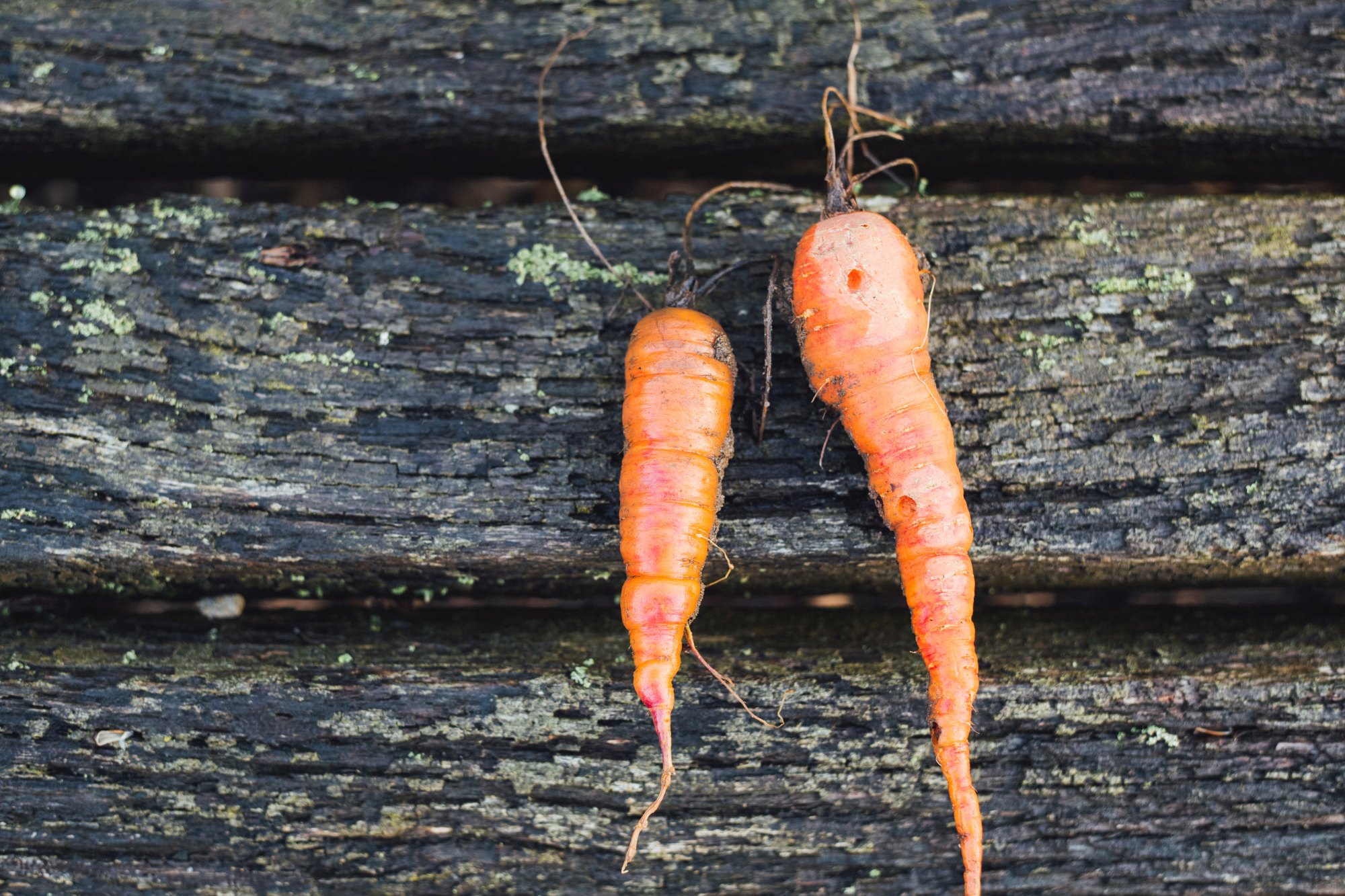
Whenever you are in a big supermarket, usually there is also a biological option for what you are buying.
The question remains, is buying organic products really that much better than the slightly cheaper regular option?
The antithesis between organic and conventional agriculture is not that old at all.
Before the production and invention of chemical pesticides and fertilizers on a large scale, which originates from after the Second World War, all agriculture was organic.
This for the simple reason that there was no other way. Many small farmers in the Third World are still biologically by default, as it is called because they have no money for fertilizers and pesticides. The organic Western counter-movement of farmers who oppose the current farming methods, with artificial fertilizers and pesticides, dates only from the last century.
It would mean that before the invention of pesticides etc. people on a general scale were healthier. But proving whether organic food is healthier seems to be terribly difficult to do.
Doing actual human research would mean you would have to exclude two people from all other harmful effects of life and feed one organic and the other non-organic food.
But even then we can’t rule out DNA prone diseases.
The Louis Bolk institution did do research on chickens – <Effects of organically and conventionally produced feed on biomarkers of health in a chicken model. British Journal of Nutrition. 103:663-676.> “The animals on organic feed showed an enhanced immune reactivity, a stronger reaction to the immune challenge as well as a slightly stronger ‘catch-up growth’ after the challenge.”
Then, on the other hand, one could argue that chickens are not to be compared to us humans.
Orthomolecular therapist Anne-rose de Klerk does believe that organic food is better for a person’s health, “If one would not consume organic food, your body will most likely be subjected to the inferior quality of food along with the toxic influences of their cultivated surrounding.” the therapist tells us on request.
Eating strictly organic food could at least be a good start. “If you eat controlled and certified organic food and drinks it elevates and protects your immune system and lowers the risk of becoming ill.” Says de Klerk.
At the moment we do not have a simple answer to the question if it is really more healthy to eat organic. But, you can find your own answer to the question where you want to belong to. Do you choose a technocratic system that relies on mega animal sheds and multinationals, which has its hope established on technologies such as genetic engineering, massively produced cheaper food for everyone, and is driven by efficiency and profit maximization?
Or the choice of a system that believes in a cleaner world, that sets quality above quantity, wants to restore the connection between consumers and farmers and perhaps will sometimes ask for minor sacrifices like eating a bit less?
Clinically proven or not, at least there is no downsides health wise to always chose the organic option when given the option.
 aimesforhealth