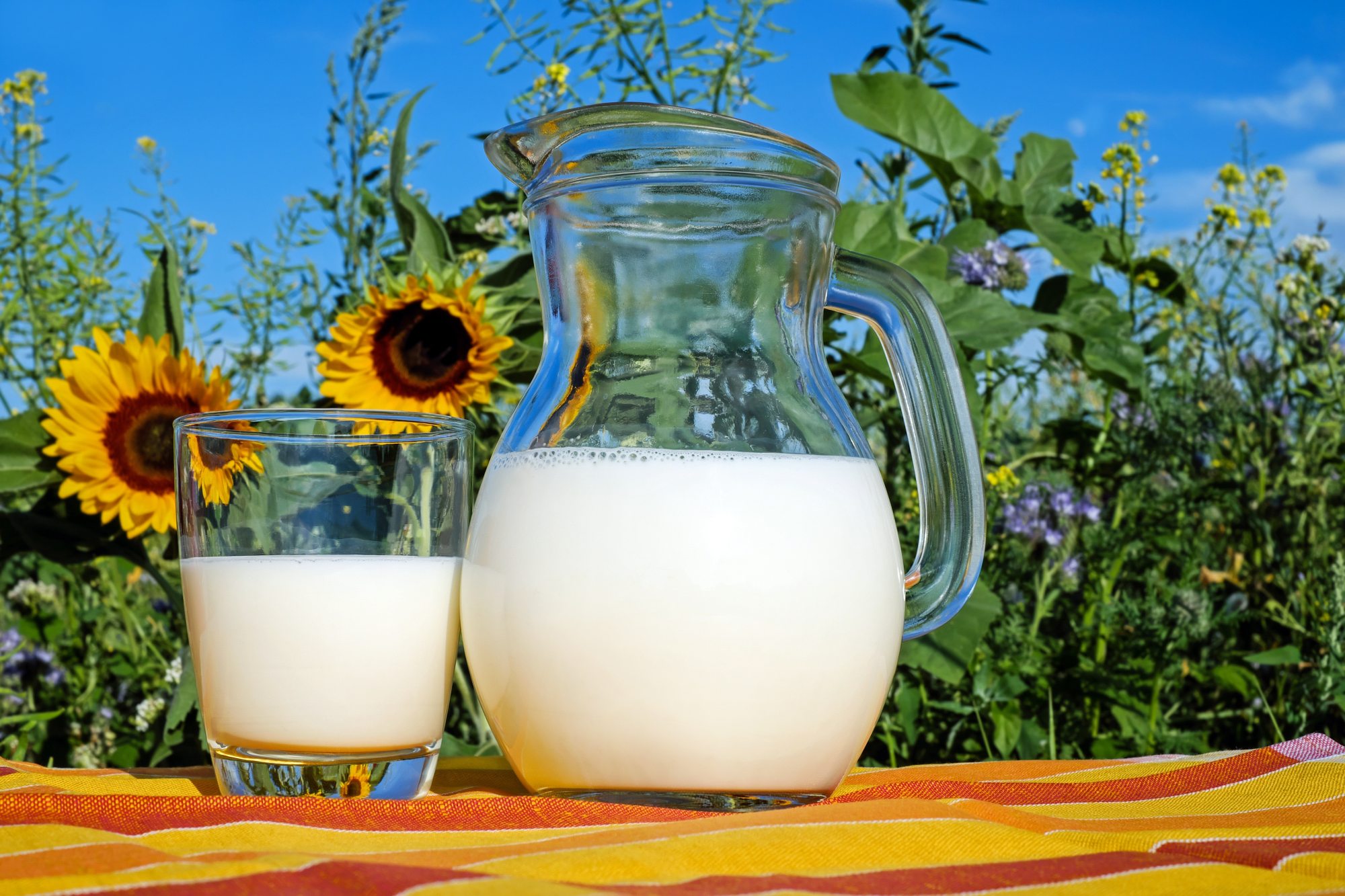
Throughout the years we have always been told to drink a lot of milk due to the calcium in it.
But through recent studies, it has been shown that drinking cows milk can also have negative effects.
So what is true and do we need calcium or not?
Let’s find out first what Calcium really is.
Calcium
Virtually all calcium in the human body (99%) is found in bones and teeth. The remaining calcium is important for stimulating the heart, blood pressure regulation, the transport of nutrients through the cell wall, blood clotting, wound healing, muscle contraction, kidney function, energy and fat metabolism, nerve stimulus transfer and release of hormones, neurotransmitters, and enzymes. Good calcium intake is especially important during growth and during pregnancy and lactation. Calcium absorption from the small intestine is partly dependent on sufficient intake of vitamin D, magnesium and proteins. The correct distribution of calcium in the body is partly dependent on sufficient vitamin K2.
Sources of Calcium
Not only to be found in Dairy, but also in foods like sesame seeds, spinach, broccoli, cabbage, figs, cereals, sardines.
Quality aspects
There are various calcium compounds that are used in supplements. An important distinction that must be made here is whether it is an ‘organic’ or ‘inorganic’ mineral compound. Inorganic mineral compounds (which occur in the soil and are taken up by plants, such as calcium carbonate) generally have a low bioavailability compared to organically bound mineral compounds such as calcium bisglycinate, gluconate, and citrate. And of the organically bound mineral compounds, calcium bisglycinate appears to have the best absorbability.
Signs of a possible shortage
Osteomalacia, osteoporosis, delayed blood clotting, increased risk of kidney stones and colon cancer, serious calcium deficiency: muscle cramps, muscle sag, confusion, forgetfulness, cardiac arrhythmias.
What could happen when you have a too low count of calcium intake/calcium deficiency
inflammatory bowel disease
Celiac disease
(prevention) osteoporosis / osteomalacia / rickets
PMS (premenstrual syndrome)
(prevention) high blood pressure
prevention of pre-eclampsia
cramps in legs during pregnancy
polycystic ovaries
secondary hyperparathyroidism
colon cancer (prevention)
prevention of tooth loss in the elderly
type 2 diabetes, gestational diabetes
(prevention) overweight
Contraindications
Hypercalcaemia and hypercalciuria
Sarcoidosis
Too high vitamin D level
Be cautious with calcium supplementation with reduced kidney function
Use advice
General maintenance dose: 200-600 mg calcium per day
 aimesforhealth