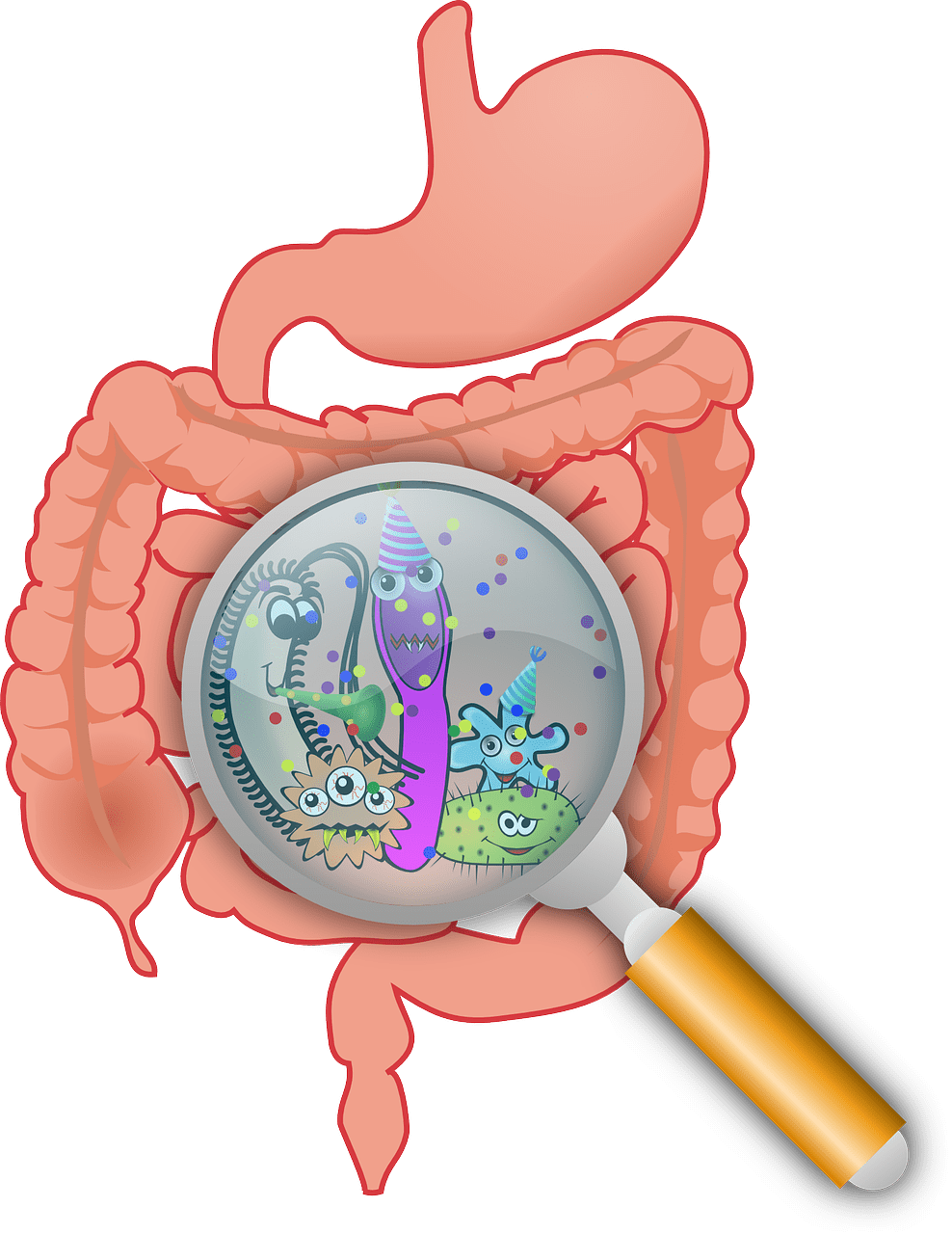
Probiotics are living bacteria. There are claims that they reduce intestinal complaints or allergic symptoms or increase resistance.
Probiotics are living bacteria. It is claimed that they have a positive effect on health. For example, they would reduce intestinal complaints and allergic symptoms or increase resistance.
Types of probiotics
Probiotics are sold as a yogurt drink or as a dietary supplement (capsules or sachets). There are many different types of probiotic bacteria. Most bacteria are lactobacilli or bifidobacteria. It specifically concerns these bacteria:
- Lactobacillus acidophilus
- Enterococcus faecium SF68
- Lactobacillus rhamnosus Goldin and Gorbach (LGG)
- Lactobacillus casei Shirota
- Lactobacillus reuteri
- Lactococcus lactis
- Bifidobacterium bifidum
- Bifidobacterium lactis
The best known of all these species are the Lactobacillus casei Shirota and Lactobacillus rhamnosus Goldin and Gorbach (LGG).
Prebiotics and synbiotics
In addition to probiotics, prebiotics also exists. Synbiotics are products that contain probiotics and prebiotics.
Health effects
Bacteria such as probiotics end up in the gut via the stomach. Often bacteria are already killed in the stomach by the stomach acid, or in the intestine by the bile. Many probiotics survive the stomach and small intestine and eventually reach the colon.
Probiotics are claimed to be good for the health of your intestines. Some probiotics would also improve resistance or reduce allergic symptoms such as eczema. Probiotics do not have any unwanted side effects.
 aimesforhealth