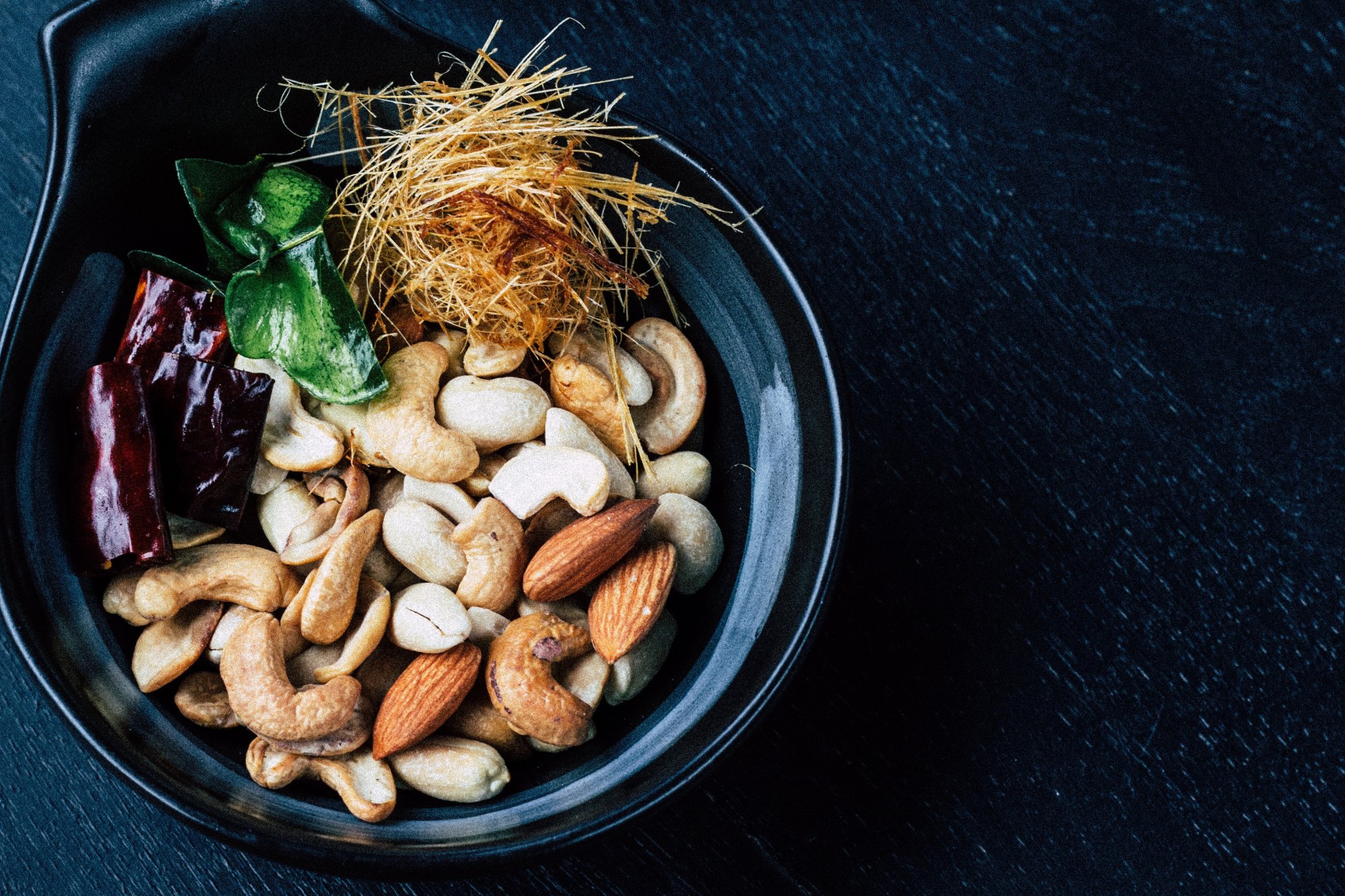
Vitamin E is a fat-soluble vitamin. Vitamin E acts as an antioxidant and protects the cells, blood vessels, organs, eyes and tissue. Vitamin E also plays a role in regulating the metabolism in the cell.Vitamin E is found in sunflower oil, low-fat margarine, margarine, bread, grain products, nuts, seeds, vegetables and fruit.A shortage of vitamin E hardly occurs. An excess of vitamin E in the body is not harmful.
Description
Vitamin E is a fat soluble vitamine.
Different forms of vitamin E
(tocopherols)Vitamin E is the collective name for a number of substances that are naturally present in food: the tocopherols, such as alpha, beta, gamma or delta-tocopherol. Alfatocopherol takes the cells the best and is therefore by far the most important form of vitamin E. Vitamin E supplements contain alpha-tocopherol or alpha-tocopherol acetate.
Units of vitamin E
The Vitamin E label is sometimes indicated on the label of vitamin supplements in the international units IE or IU; hereby 1 IU = 0.67 milligrams of vitamin E (alpha-tocopherol).
Sources of vitamin E
Vitamin E is found in sunflower oil, low-fat margarine, margarine, bread, grain products, nuts, seeds, vegetables and fruit. Vitamin E breaks down when you heat it. Yet enough vitamin E remains in food and drink.
Health effects
Vitamin E is important as an antioxidant. As an antioxidant, vitamin E protects the cells, cell wall, bloodstream and tissue. Vitamin E also plays a role in regulating the metabolism in the cell.
Vitamin E deficiency
Vitamin E deficiencies do not occur in the Netherlands as far as known. A vitamin E deficiency can only occur in the case of very serious disorders in the absorption of nutrients. A serious vitamin E deficiency can lead to anemia, neurological symptoms and muscle weakness.
Too much vitamin E
A too high vitamin E intake only occurs if you use high-dose supplements for a longer period of time. You can not get too much vitamin E through the diet. There are few side effects of an excess of vitamin E. Only in people with a vitamin K deficiency and people who are treated with blood thinners, an excess of vitamin E inhibits blood clotting.
 aimesforhealth